
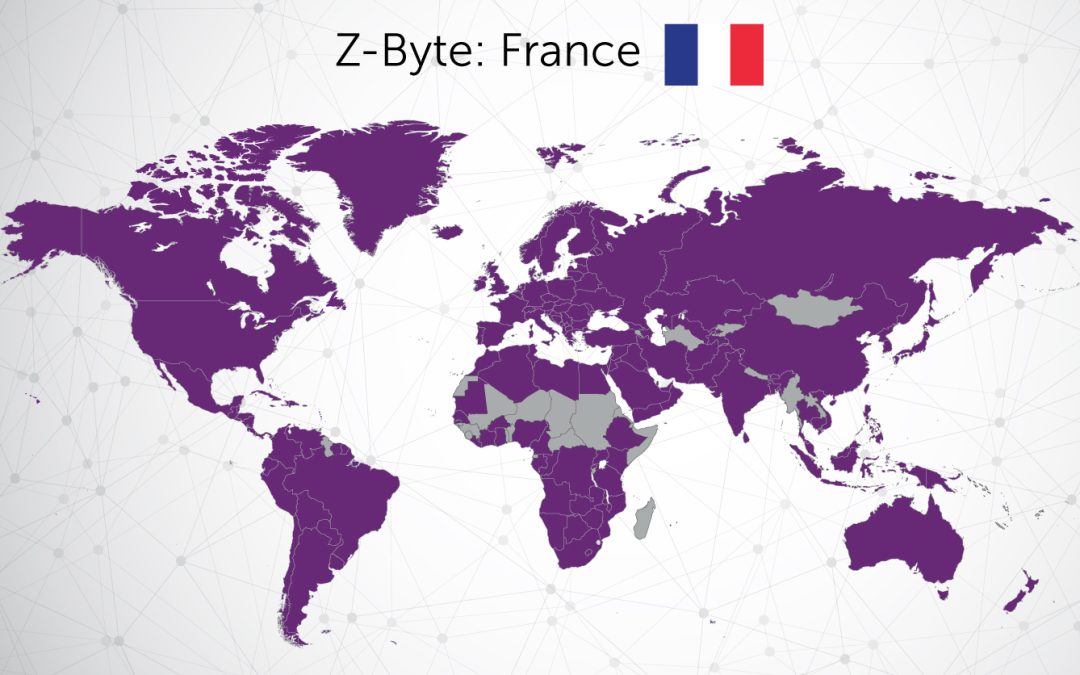
France Record Retention Requirements
- Jurisdiction official name: French Republic
- Legal system type: Civil law system with a dual court structure (judicial and administrative)
- Primary language(s) of law/government: French
- General Description of RIM landscape: France imposes statutory record retention obligations across commercial, tax, employment, and regulated sectors. In addition, these requirements are influenced by GDPR compliance expectations. Retention periods are primarily set by the Commercial Code, Civil Code, and Tax Procedure Code. As a result, organizations must manage records across multiple legal frameworks. Data protection requirements under GDPR strongly influence retention schedule management.
Zasio Research Scope & Depth
- Total Zasio citations captured: 1,239
- Primary sources relied upon:
- Commercial Code
- Civil Code
- Tax Procedure Code
- Labor Code
Core France Recordkeeping Obligations
- How long must businesses keep accounting records? 10 years (Commercial Code)
- How long must employers keep personnel records? Generally, 5 years, with some records kept until retirement.
- Industries most heavily regulated: Healthcare and life sciences, financial services, telecommunications, advertising and e-commerce, public sector.
- Other Notable retention timeframes: Tax records 6 years; commercial correspondence and invoices 10 years; certain civil status records kept for life.
What makes this jurisdiction interesting
- Unique or surprising aspect: France’s data protection authority, the CNIL, is one of the most active and enforcement-oriented supervisory authorities in Europe, regularly issuing high-profile GDPR fines and public sanctions across both private and public sectors.
- Common organizational challenge: Aligning statutory retention obligations with GDPR data minimization and deletion requirements, particularly where business teams seek to retain data longer for operational or evidentiary reasons.
- Emerging trend: Intensified CNIL enforcement focused on data retention periods, cookie compliance, security measures, and failure to cooperate with regulatory investigations.
France Records Management Business Relevance
- Why this jurisdiction matters: France is one of the EU’s largest markets. As a result, it serves as a leading GDPR enforcement jurisdiction, setting practical benchmarks for compliance expectations across Europe.
- Most impacted organizations: Multinational companies processing EU personal data, digital platforms, healthcare and life sciences organizations, and entities operating customer facing technologies.
- How this research supports clients: It helps clients design defensible retention and deletion practices that comply with French statutory requirements and withstand CNIL scrutiny.
Disclaimer: The purpose of this post is to provide general education on records management solutions. The statements are informational only and do not constitute legal advice. Any references to legal or regulatory recordkeeping requirements are provided for general guidance purposes and may not reflect all obligations applicable to your organization. Additional or alternative requirements may apply based on your organization’s industry, jurisdiction, risk profile, and specific business activities. If you have specific questions regarding the application of the law to your business activities, you should seek the advice of your legal counsel.